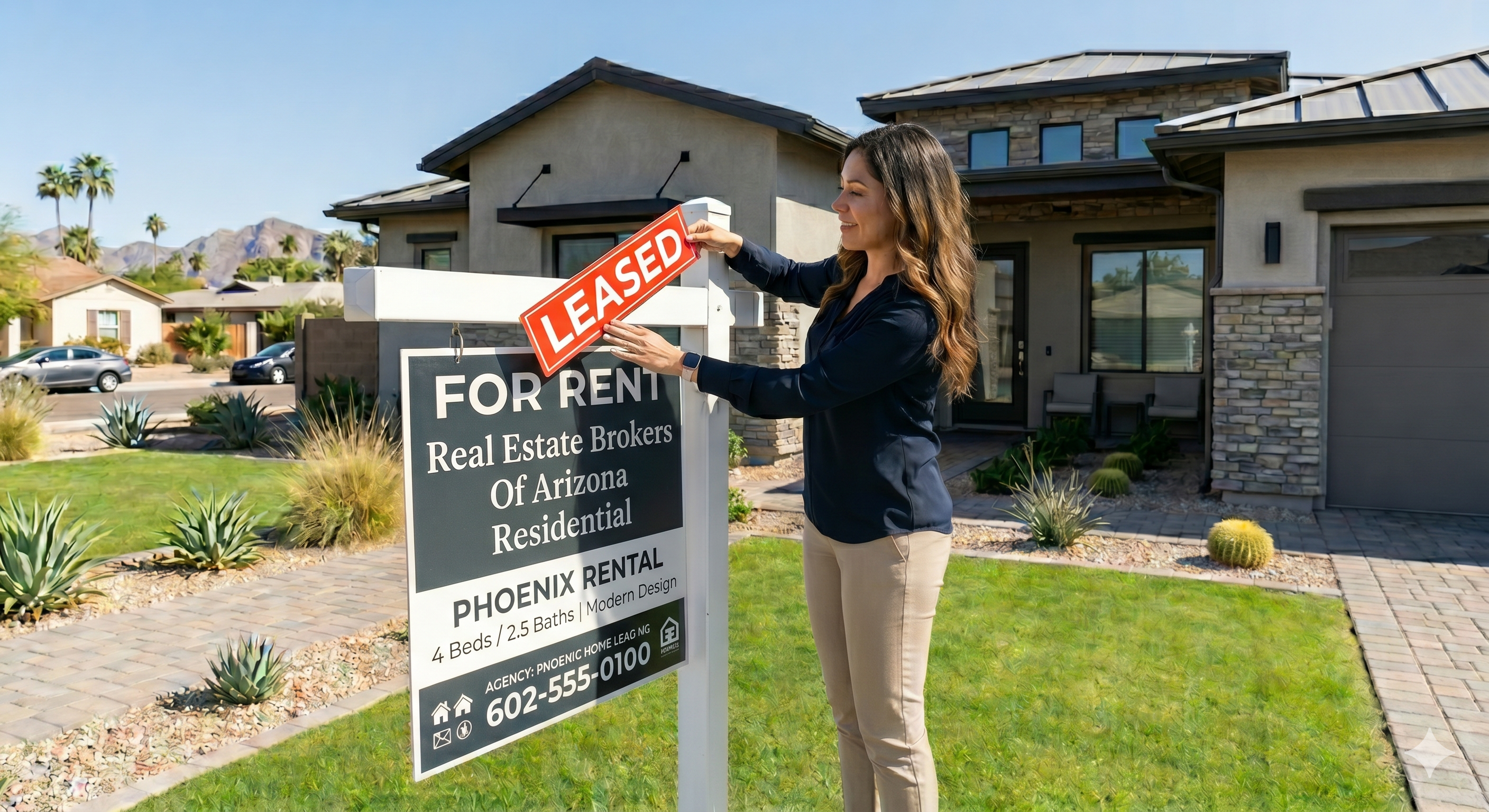
Reducing rental vacancy is one of the most important factors in maximizing your return as a property owner. In the Phoenix metro area, even a few weeks of vacancy can significantly impact annual cash flow. The key is not rushing tenant placement, but creating a system that minimizes downtime while still securing qualified renters.
This guide explains how to reduce vacancy between tenants using proven strategies like pre-marketing rental properties, optimizing your tenant turnover timeline, and improving leasing efficiency. Whether you own a rental in Phoenix, Glendale, or Queen Creek, these practical steps will help you keep your property occupied without sacrificing tenant quality.
What Is a Healthy Tenant Turnover Timeline in Phoenix?
A well-managed rental should aim for 14–30 days of vacancy between tenants.
In high-demand areas like Scottsdale, Tempe, and Chandler, properties often lease within 2–3 weeks when properly marketed. However, this timeline depends heavily on preparation and proactive management.
Typical Turnover Timeline Breakdown
- Notice received: Day 0
- Pre-marketing begins: Within 24–72 hours
- Property ready for showings: Immediately after move-out inspection
- New lease signed: Within 2–4 weeks
From our experience managing hundreds of properties across Mesa, Gilbert, and Peoria, the biggest delays happen when landlords wait until the property is vacant to start marketing.
How Does Pre-Marketing Reduce Vacancy?
Pre-marketing allows you to secure a tenant before the property is fully vacant. This is one of the most effective ways to shorten vacancy time without compromising screening standards.
What Is Pre-Marketing?
Pre-marketing means advertising the property while the current tenant is still living there, typically after proper notice is given.
Key Benefits
- Overlaps occupancy periods to reduce downtime
- Attracts serious renters planning ahead
- Allows time for proper tenant screening
For example, in Glendale or Litchfield Park, we often begin marketing 2–3 weeks before move-out. This frequently results in a new lease starting within days of the prior tenant vacating.
Important Compliance Note
Under Arizona landlord–tenant law (A.R.S.), landlords must provide proper notice before entering for showings. Coordinating respectfully with current tenants is essential to avoid disputes.
Should You Ever Delay Listing a Rental?
Only if the property condition would hurt leasing performance. Listing too early with poor photos or an unprepared property can actually increase vacancy by discouraging applicants.
When It Makes Sense to Wait
- The property needs major repairs or cleaning
- Photos would not accurately represent the home
- Safety or access issues prevent showings
In markets like Buckeye, Surprise, and Maricopa, where renters often compare multiple listings, first impressions matter. A well-presented listing will outperform an early but poorly marketed one.
How to Create an Efficient Tenant Placement Process
Speed comes from preparation, not cutting corners. Efficient tenant placement is about removing delays while maintaining strong screening standards.
Prepare Before Move-Out
- Schedule inspections in advance
- Line up vendors for cleaning and repairs
- Order any needed materials early
Minimize Turnover Time
The goal is to reduce the gap between move-out and move-in:
- Professional cleaning within 1–2 days
- Maintenance completed quickly
- Property rent-ready within a week
Use Strong Screening Systems
Consistent screening protects your investment. Even in competitive markets like Phoenix and Scottsdale, never skip:
- Credit checks
- Income verification
- Rental history
A rushed placement with the wrong tenant often leads to longer-term vacancy due to early lease termination or eviction.
How Pricing Impacts Vacancy More Than Timing
Overpricing is the #1 cause of extended vacancy. An overpriced rental will sit on the market. It's key to know your numbers. A vacancy loss calculator is essential for property owners to quantify the exact income lost during tenant turnover, helping to identify financial gaps, optimize rental pricing, and improve ROI.
Signs Your Property Is Overpriced
- Low showing activity
- Few or no applications
- Competing listings leasing faster
Practical Strategy
Analyze current comparable rentals, not just past data. Adjust pricing within the first 1–2 weeks if activity is low.
From real-world management experience across the valley, small price adjustments early often prevent weeks of lost rent later.
How Location Affects Vacancy Risk in Phoenix
Submarket trends influence how quickly properties lease.
High-Demand Areas
- Tempe (student and job-driven demand)
- Scottsdale (relocation and lifestyle appeal)
Stable Family Markets
- Gilbert, Chandler, Peoria (school-driven demand cycles)
Growth Markets
- Buckeye, Surprise, San Tan Valley (steady demand with some variability)
Understanding your specific area helps set realistic expectations and guides your leasing strategy.
FAQ: Reducing Rental Vacancy
Q1: How can I reduce vacancy without lowering rent?
Focus on pre-marketing, strong listing photos, and quick turnover times. These factors often matter more than price alone.
Q2: When should I start marketing my rental property?
Ideally 2–4 weeks before the current tenant moves out, once proper notice is given.
Q3: How long should a turnover take?
Most turnovers should be completed within 14-30 days, depending on property condition.
Q4: Is it better to wait for a perfect tenant?
No. Aim for a well-qualified tenant, not a perfect one. Extended vacancy often costs more than small compromises.
Q5: What causes the biggest delays in leasing?
Late marketing, slow maintenance, and overpricing are the most common causes.
Conclusion
Reducing rental vacancy between tenants requires a proactive, system-driven approach. The most effective strategies include pre-marketing rental properties, minimizing turnover timelines, pricing correctly, and maintaining efficient tenant placement processes.
Across Phoenix, Mesa, Glendale, and surrounding areas, we’ve consistently seen that preparation and timing outperform reactive leasing. The goal is not just to fill vacancies quickly, but to do so with qualified tenants who support long-term stability.
If you need help reducing vacancy, improving your leasing process, or managing tenant turnover more efficiently, our team can provide expert guidance tailored to your property and market conditions.