
Owning a home has long been one of the most effective ways to build wealth, but not every homeowner is in the same financial position. If you've purchased a home within the past few years, especially with a low down payment, you may be surprised to learn that your home's value alone doesn't determine how much money you'll walk away with after selling.
Before putting your home on the market, it's important to calculate your equity and understand your options. In many situations, renting your home may be a better financial decision than selling at a loss.
At Real Estate Brokers of Arizona, we've helped hundreds of homeowners throughout Mesa, Gilbert, Queen Creek, Chandler, Phoenix, and the surrounding Valley evaluate whether selling or renting makes the most financial sense. Every situation is different, but understanding your equity is the first step toward making an informed decision.
Wondering what your home is worth today? Check out our Rent vs. Sell Calculator
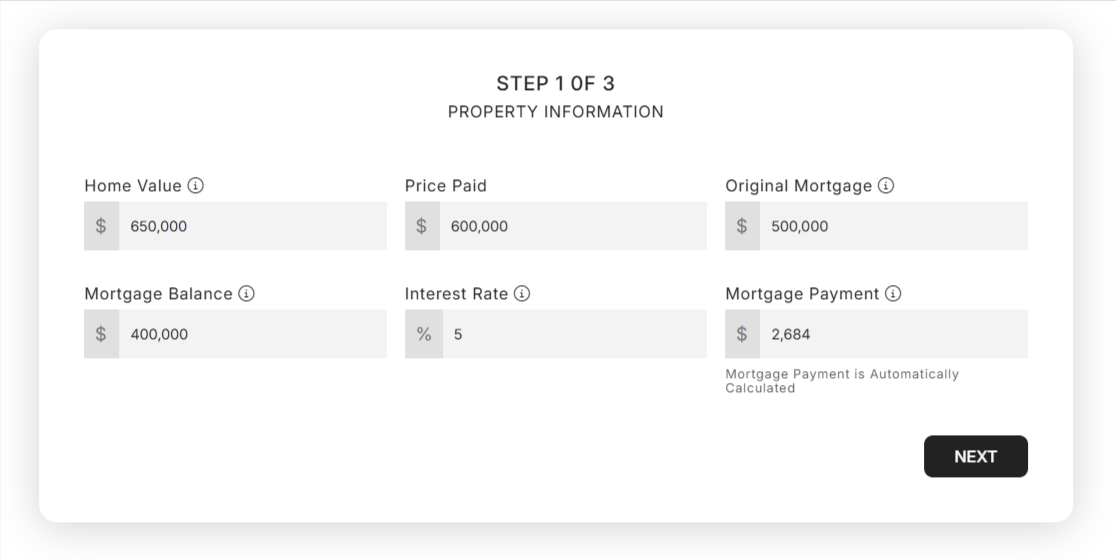
What Is Home Equity?
Home equity is the difference between what your home is worth today and what you still owe on your mortgage. Think of equity as the portion of your home that you actually own.
The Basic Formula
Home Value − Mortgage Balance = Home Equity
For example:
- Current market value: $500,000
- Remaining mortgage balance: $375,000
Estimated Equity = $125,000
While that sounds straightforward, it's important to remember that equity is not the same as cash you'll receive at closing.
When selling a home, you'll also need to account for:
- Real estate commissions
- Title and escrow fees
- Seller closing costs
- Potential buyer concessions
- Mortgage payoff
- Property taxes or HOA balances
These expenses are reduced from your net proceeds.
Why Homeownership Still Builds Long-Term Wealth
Even during slower real estate markets, homeownership remains one of the most effective ways to build financial stability.
Benefits include:
Building equity over time through mortgage payments
Potential long-term appreciation
Fixed housing costs with many mortgage types
Tax advantages (consult your tax professional)
Greater control over your property
The ability to leverage equity for future investments
Real estate markets naturally experience cycles. While short-term fluctuations occur, homeowners who stay invested often benefit from appreciation over longer periods.
Understanding Arizona's Real Estate Market
Arizona's market has become more balanced, making pricing and timing increasingly important. Many areas across the Phoenix metro have experienced a shift from the rapid appreciation seen several years ago. You can check the FHFA House Price Index to view updated home price trends and housing values at both the national and state levels.
Today's market generally features:
- More inventory
- Longer days on market
- More price negotiations
- Increased buyer expectations
- Greater importance on accurate pricing
For homeowners who purchased recently with minimal down payments, these conditions may make selling less attractive.
Rather than expecting significant appreciation over a short period, many homeowners are discovering they have limited equity after accounting for selling costs.
Why Some Homeowners Are Upside Down
Being "upside down" means you owe more on your mortgage than your home is currently worth or will net after selling expenses.
This situation can occur when:
- You purchased recently with a low down payment
- Market appreciation slows or values decline
- Closing costs and commissions exceed available equity
- You financed most of the purchase price
At Briley Brothers Real Estate, our team at Real Estate Brokers of Arizona has seen this become increasingly common among homeowners who purchased within the past three years using low down payment loan programs. Many homeowners are surprised to learn that selling today could require bringing money to closing.
No homeowner wants to write a check to the bank just to sell their house.
Fortunately, selling isn't your only option.
Should You Rent Instead of Selling?
If you're unable to sell without losing money, you might want to consider renting out your home.
Converting your home into a rental property may allow you to:
- Continue building equity through mortgage payments
- Benefit from future appreciation
- Avoid realizing today's market loss
- Generate rental income
- Preserve long-term wealth
We've helped many homeowners become what the industry calls "accidental landlords." While the term may sound intimidating, becoming a rental property owner doesn't have to be risky or overwhelming. With the right pricing strategy, qualified tenants, and professional property management, many homeowners successfully transition from owner-occupants to rental property investors.
In fact, some of our best long-term investor clients never planned on owning rental properties. They simply made a smart financial decision instead of selling at the wrong time.
Why Professional Property Management Makes the Transition Easier
Managing a rental property doesn't have to become a second job.
At Real Estate Brokers of Arizona, our Arizona property management services help homeowners protect their investment while minimizing the day-to-day responsibilities of being a landlord.
Our services include:
Professional rental pricing analysis
Marketing your home
Professional photography
Tenant screening
Lease preparation
Rent collection
Maintenance coordination
Routine inspections
Arizona landlord-tenant law compliance
Financial reporting
Many homeowners tell us they were hesitant to rent because they feared difficult tenants or constant maintenance calls. Our most popular areas we service include Mesa property management and Surprise property management.
How to Calculate Whether Renting Makes Sense
Every homeowner's situation is unique, but here are several questions we help clients answer before making a decision.
Ask Yourself:
- What is my home worth today?
- How much do I still owe?
- How much would I pay in selling costs?
- What could my home rent for?
- Would rental income cover my mortgage?
- How long do I plan to keep the property?
- Would waiting improve my financial position?
A simple equity analysis combined with a rental market evaluation often provides a much clearer picture than looking at home values alone. Check out our ROI calculator, input your property details and financial metrics, and instantly gauge your expected return on investment.
What We Recommend to Homeowners
Every homeowner's goals are different.
Some should absolutely sell.
Others are better served by waiting.
Our role is to help you evaluate both options objectively.
The Briley Brothers team at Real Estate Brokers of Arizona works with many homeowners who initially believed selling was their only option. After reviewing their equity, projected selling costs, and rental income potential, many chose to rent their home instead.
For some, that decision preserved thousands of dollars in equity while positioning them for stronger financial outcomes as the market continued to evolve.
Frequently Asked Questions
How do I calculate my home's equity?
Subtract your current mortgage balance from your home's estimated market value. Then consider selling expenses to determine your estimated net proceeds.
What if I'm upside down on my mortgage?
If selling would require bringing money to closing, renting your home may be a viable option while you continue building equity. Every situation is unique, so it's important to review your finances with a qualified real estate professional.
How do I know what my home is worth?
A comparative market analysis prepared by a local real estate professional provides one of the most accurate estimates of current market value.
Is becoming a landlord difficult?
It doesn't have to be. Professional property management in Arizona can handle marketing, tenant screening, maintenance coordination, rent collection, and lease compliance, allowing many owners to rent their homes with minimal day-to-day involvement.